
Visual Research & Design Practice
Practice

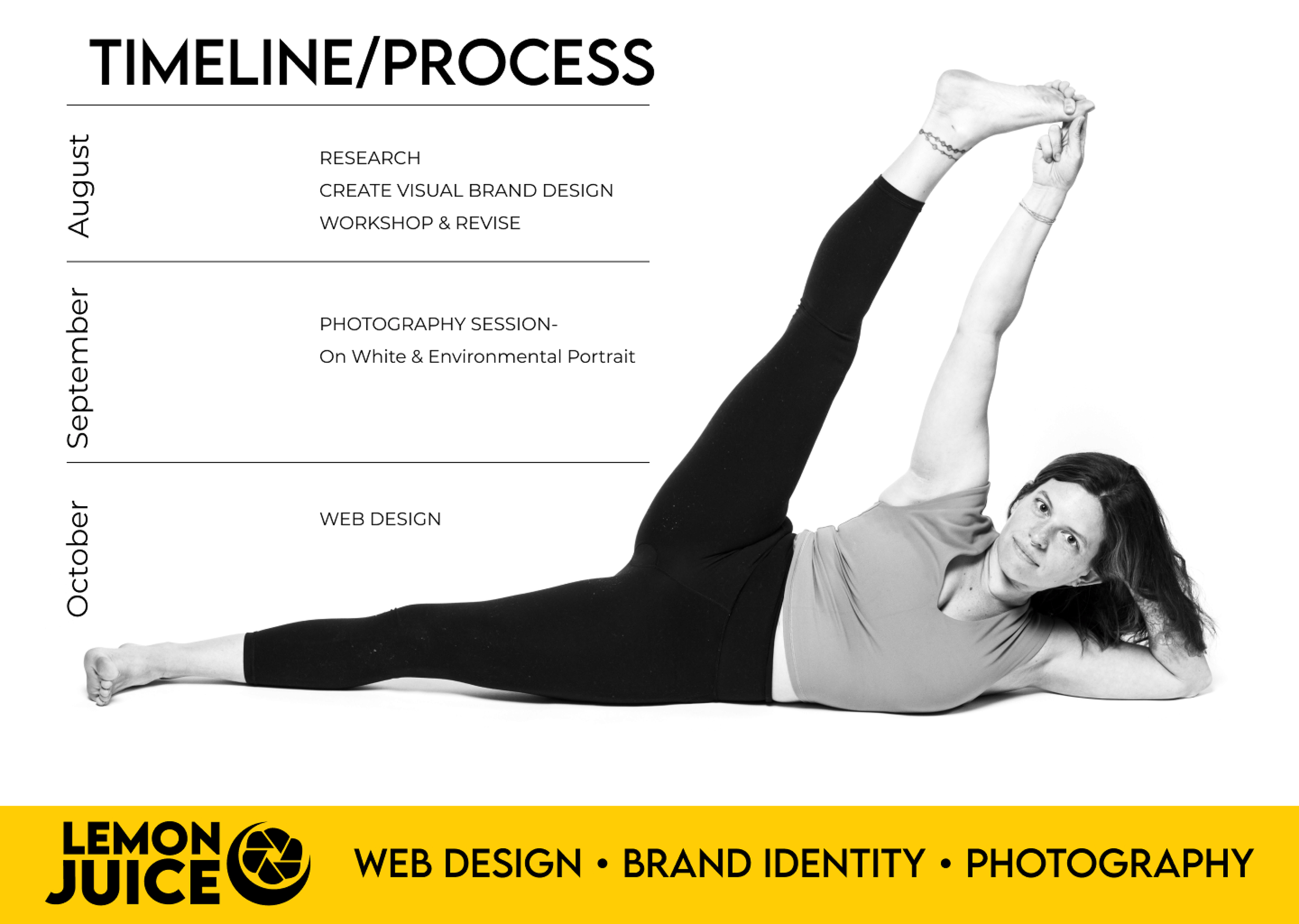
Lemon Juice approaches design as a visual research practice.
The work begins with observation, listening, and context—then moves into structure, form, and use.
Projects may result in brand identities, photography, websites, or graphic systems, but the emphasis is on building visual systems that can be understood, adapted, and sustained over time.
Areas of practice
Visual research
Observation, listening, and contextual study form the foundation of each project. This phase focuses on understanding purpose, constraints, and material before visual decisions are made.
Design as practice
Design work grows from research into systems that can be used, adapted, and maintained. Websites, visual identities, and printed matter emerge as expressions of underlying clarity rather than surface treatments.
Built through collaboration
Explanation of visual systems vs. branding
Design as a living system, not a marketing product
Statement that people and ideas are not brands
Art, photography, and teaching as the foundation
How the work happens (inquiry → research → making → iteration)
Photography as method
Photography functions as a way of seeing and thinking — not just documenting. Image-making informs how information is edited, sequenced, and communicated across formats.

ABOUT The Studio
A creative studio grounded in visual research and practice
Lemon Juice is a creative studio working through visual research, photography, and design as a practice rather than a menu of services.
The studio is shaped by an art and teaching background, where work begins with observation, conversation, and time. Form and structure emerge through understanding, not through templates or trends.
FAQ
Visual Research & Design PracticeHow Practice Works
Design as inquiry, not decoration.
-
Visual identity systems
Brand and editorial photography
Websites and digital structures
Typography and layout systems
Tools for ongoing use and growth
These are outcomes, not starting points.
-
Visual systems are the rules beneath the visuals.
Rather than designing isolated assets, Lemon Juice builds connected structures—type, color, imagery, layout, and behavior—that guide how a brand communicates and evolves.
A strong system allows new work to be made without starting over.
-
Revealing what already exists.
Inspired by lemon juice as invisible ink, the practice is rooted in uncovering latent meaning rather than adding excess. Lemon Juice began during the pandemic as a response to cultural disruption—shifting from maximal expression toward clarity, connection, and usefulness.
The work is designed to make sense of uncertainty, not overwhelm it.

Portfolio
Visual Research & Design Practice